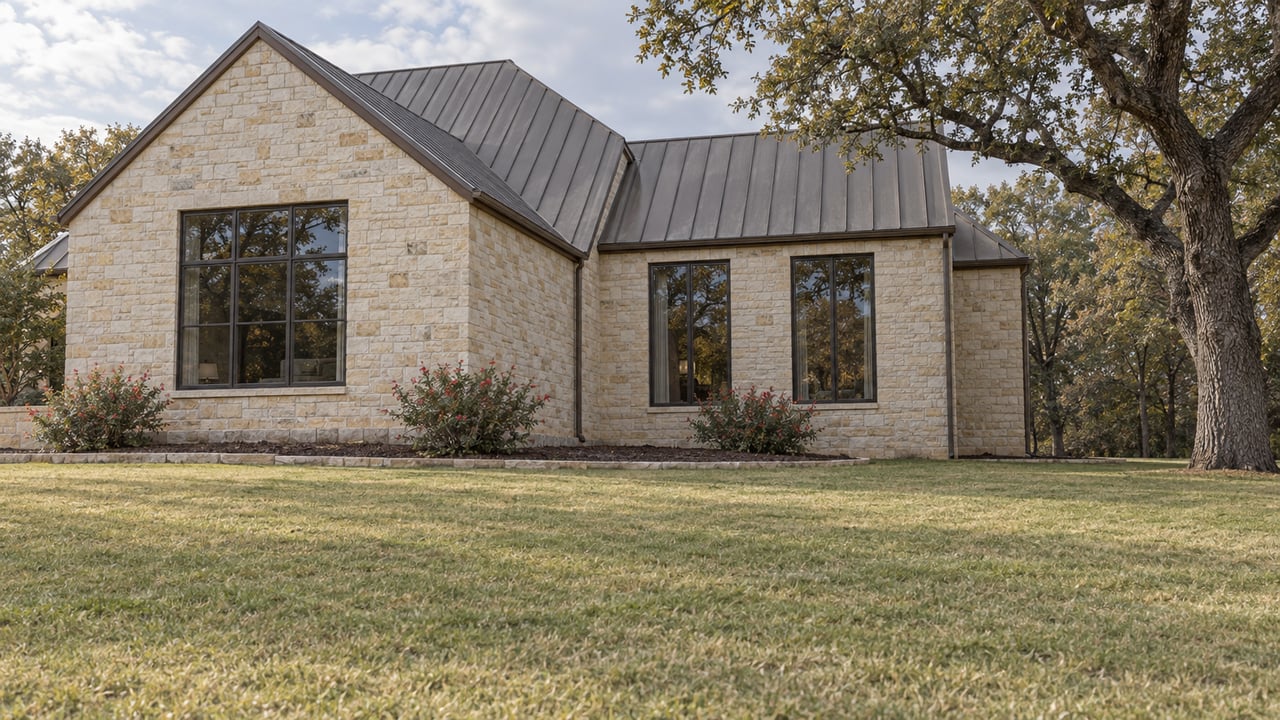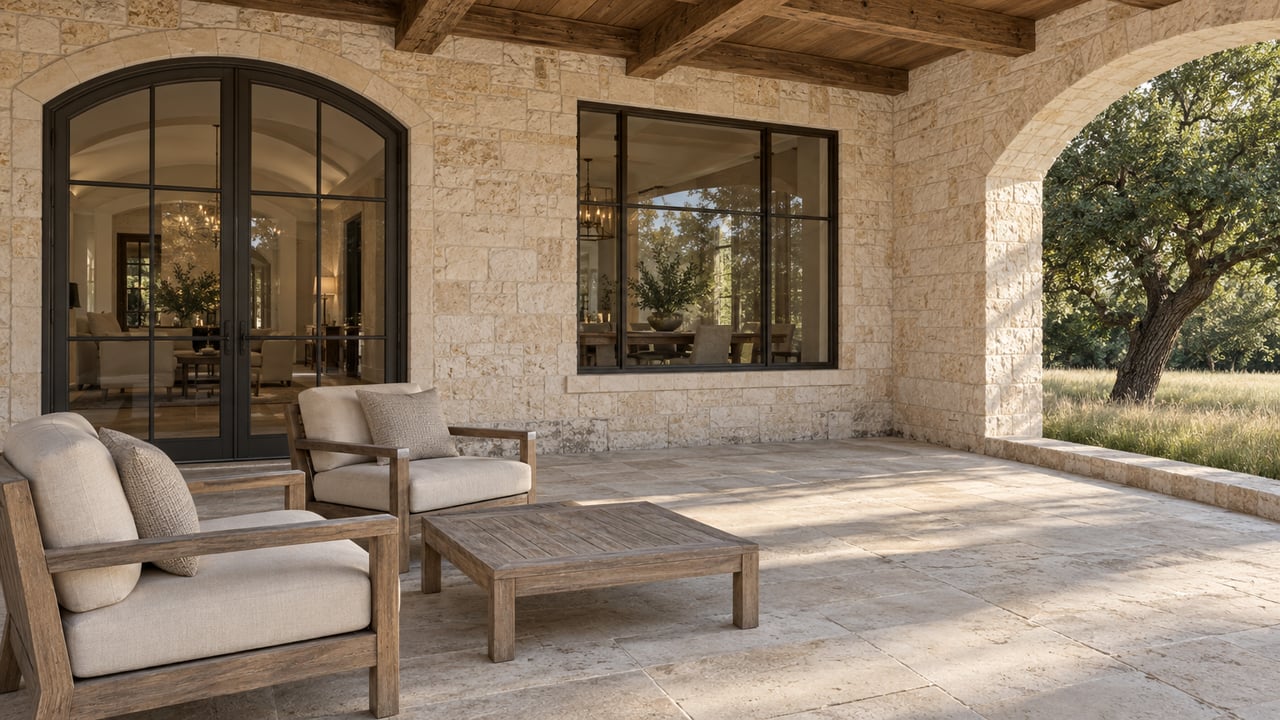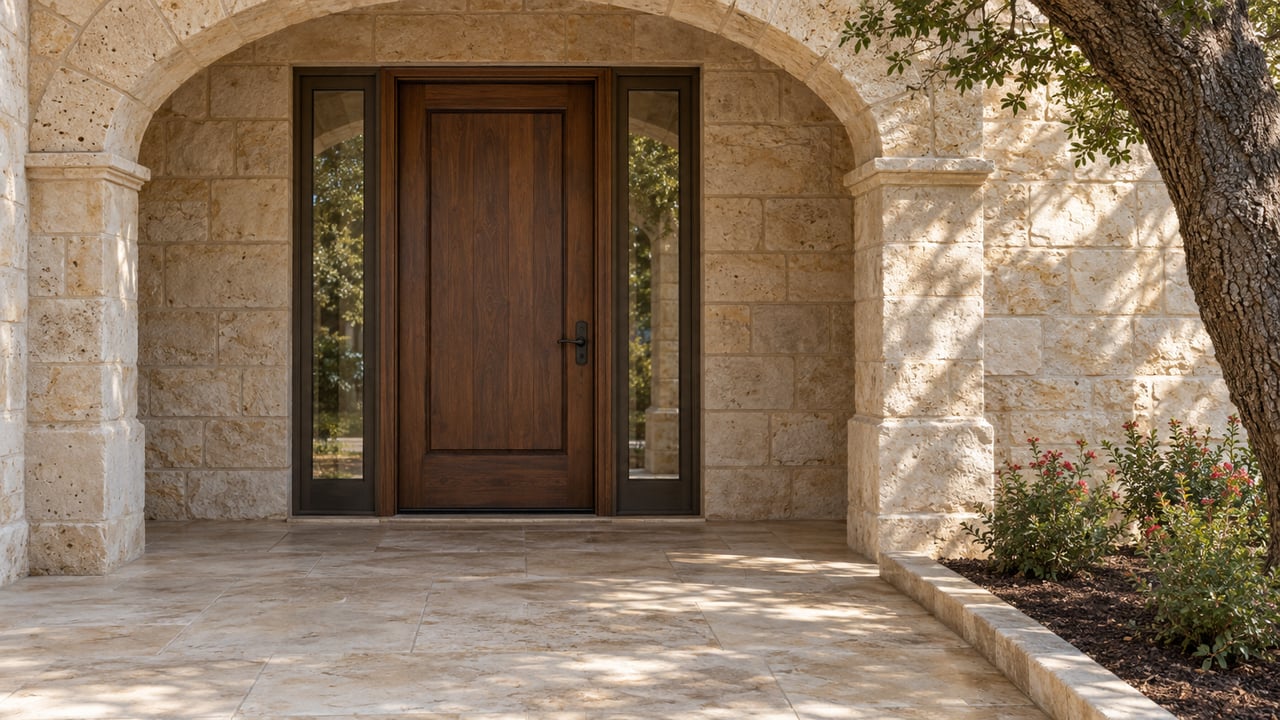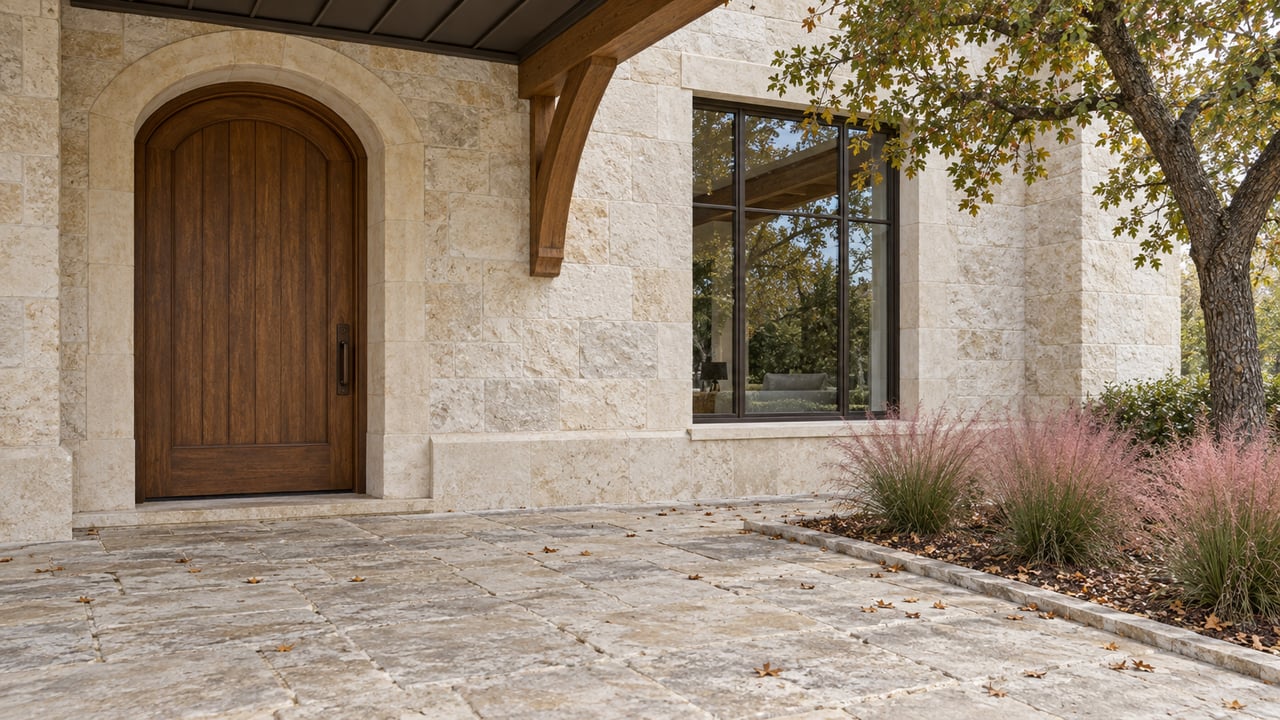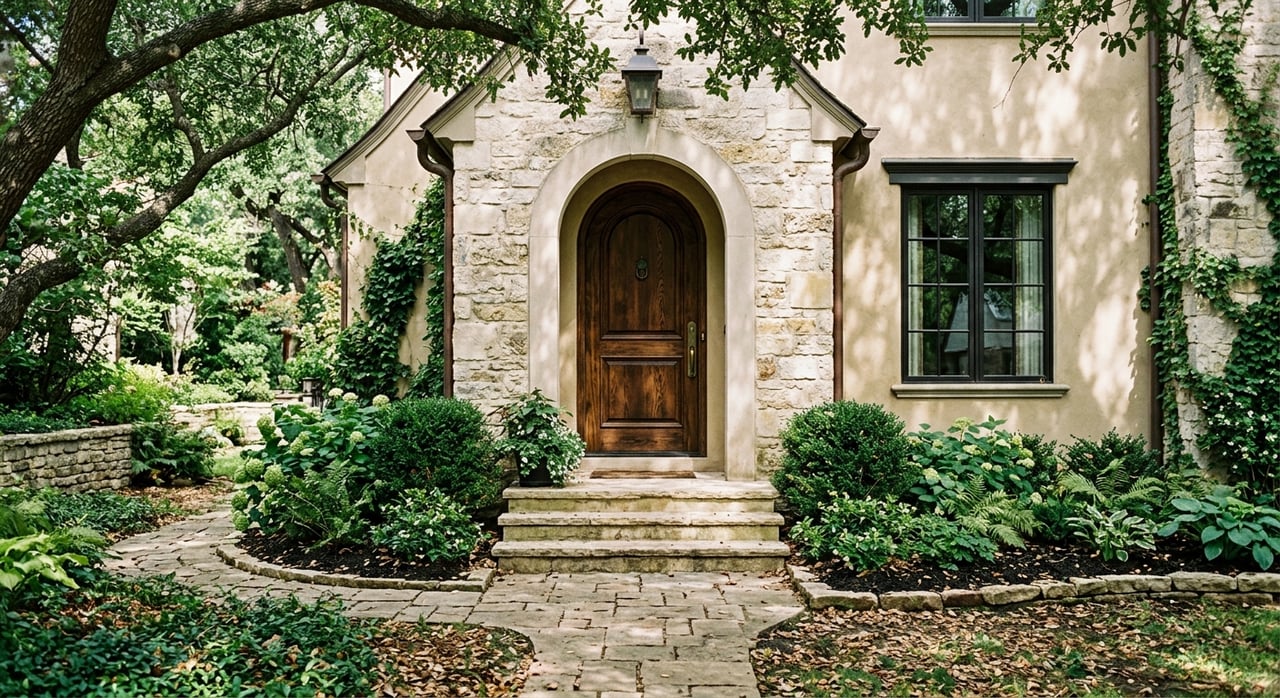
Older homes in Castle Hills can offer something many newer properties cannot: larger lots, mature trees, and layouts with real character. But charm alone is not enough when you are making a major purchase. If you are thinking about buying an older home in Castle Hills, you need to weigh the home’s style, site conditions, permit needs, and long-term costs so you can buy with confidence. Let’s dive in.
Why Castle Hills attracts older-home buyers
Castle Hills is a small city of about 2.5 square miles that was incorporated in 1951. Much of its land remains private residential property, and the city’s planning documents describe large lots, abundant trees, curb-and-gutter streets, and in some areas few or no sidewalks.
That setting helps explain why older homes here continue to appeal to buyers who want more space and a more established feel. A Texas Historical Commission and National Register document also notes the area’s larger homes and sprawling brick ranch houses, especially near North Star Mall.
For many buyers, that means Castle Hills offers a different experience from more uniform subdivisions. Instead of starting with a newer floor plan and a smaller lot, you may be evaluating a mid-century home with strong bones, mature landscaping, and room to improve over time.
What older homes in Castle Hills often look like
Current listing examples show a pattern that matters if you are shopping here. You will often see ranch-style homes from the 1960s, single-story layouts, and homes on lots around 0.29 to 0.30 acre, with some much larger parcels like 0.86 acre.
That matters because your decision is usually not just about square footage. You are also comparing lot size, driveway layout, garage or carport function, and how easily the home can adapt to modern living.
Castle Hills code references paved driveways leading to a carport or semi-circular driveway, which is a useful clue about the area’s older site patterns. In practice, some homes were designed long before garage-forward suburban plans became common.
Look past finishes and study the floor plan
When you walk through an older home, it is easy to focus on countertops, paint, or whether the kitchen feels updated. Those things matter, but they are often easier to change than the structure of the home and the way the lot works.
A better approach is to ask whether the floor plan is adaptable. Can the main living areas function the way you want? Does the home’s layout support future updates without forcing a major addition right away?
In Castle Hills, many buyers are balancing original mid-century layouts with later cosmetic or functional updates. The strongest opportunities are often homes where the layout still makes sense, even if some finishes are dated.
Budget for more than the purchase price
One of the biggest mistakes buyers make with older homes is treating the asking price as the full cost of ownership. In Castle Hills, the numbers suggest you should leave room in your budget for updates and property-related costs.
Current market snapshots put the median listing home price around $489,000, while Zillow’s home value index is $459,173 as of March 31, 2026. Census Reporter shows a median owner-occupied home value of $419,400. These figures are not identical, but together they show why you should separate what you pay to acquire the property from what you may spend to improve and maintain it.
For a numbers-minded buyer, this is where discipline matters. A home can be attractive at first glance, but if the price leaves no room for repairs, permit-driven updates, drainage work, or taxes, it may not be the best long-term fit.
Castle Hills permits can affect your remodeling budget
If you plan to improve an older home after closing, permit requirements should be part of your early math. Castle Hills requires permits for many residential projects and has adopted the 2021 ICC codes and the 2020 Energy Conservation Code.
The city states that interior and exterior remodels and additions require plan renderings. It also requires site plans or surveys for accessory buildings, decks, driveways, fences, gazebos, greenhouses, new construction, sidewalks, signs, and pools or spas.
Plan review usually takes 10 to 15 working days, according to the city. If work starts without a permit, the city charges a double fee. That means a renovation budget should include not only construction costs, but also permit timing and compliance costs.
Pay close attention to exterior costs
With older homes in Castle Hills, some of the most important budget categories are outside the house. Roofing, flatwork, driveway updates, fencing, additions, pools, and tree maintenance can all affect your total ownership cost.
This is especially important in a city known for mature trees. Castle Hills requires permits for tree trimming, and its code states that overhanging branches need 14 feet of clearance above streets and 12 feet above sidewalks.
That tree canopy is part of the area’s appeal, but it also means buyers should think carefully about ongoing maintenance. A beautiful lot can still come with real upkeep costs.
Drainage should be part of your offer analysis
Drainage is one of the most important local issues to evaluate when buying an older home in Castle Hills. The city completed a master drainage study in 2015 and later identified about $18 million in drainage needs across five watersheds in its Phase II drainage plan.
The city also maintains a stormwater management program for construction and redevelopment runoff. For you as a buyer, that means grading, runoff, and exterior drainage should be treated as ownership costs, not just inspection notes.
If a property has site drainage concerns, that does not automatically make it a bad purchase. It does mean you should understand the likely cost and decide whether the price leaves enough room to address it properly.
Understand the tax picture before you buy
Older-home buyers often focus on renovation costs and forget to model taxes. In Castle Hills, that is a mistake.
Bexar County’s 2025 official rates page lists Castle Hills at $0.578846 per $100 of value and Bexar County at $0.276331 per $100. The Texas Comptroller states that property taxes are locally assessed and administered, and exemption applications are filed with the county appraisal district.
The same local tax guidance notes that school districts must provide a $140,000 residence-homestead exemption. The Bexar County Tax Assessor-Collector also states that filing a residential homestead exemption is free with the tax office.
For buyers comparing homes, taxes should be part of the monthly and long-term picture. A home with a higher purchase price, more land, or more improvement needs may affect your financial comfort more than the list price alone suggests.
How to evaluate long-term potential
The best older homes in Castle Hills are not always the ones with the newest finishes. Often, the strongest candidates are the homes with the best lot, the most flexible layout, manageable site conditions, and enough pricing room to support smart improvements.
That is especially true in a city where infrastructure, streets, and drainage planning remain active public priorities. The right home should work not only for your lifestyle today, but also within the reality of local maintenance, permitting, and property costs.
A practical way to compare options is to look at each home through four lenses:
- Land value: Is the lot size, shape, and setting hard to replace?
- Layout flexibility: Can the home adapt without major structural expense?
- Site conditions: Are drainage, driveway, trees, and exterior systems manageable?
- Budget margin: After closing, will you still have room for updates and ownership costs?
A smart buying approach in Castle Hills
If you are serious about buying an older home in Castle Hills, it helps to stay disciplined from the start. Character and curb appeal should get your attention, but your final decision should come down to facts, costs, and long-term fit.
That means looking beyond staging and focusing on how the property functions as a whole. The lot, drainage, permit path, tax burden, and update budget all matter just as much as the kitchen finishes.
In a market like Castle Hills, thoughtful buyers tend to do best when they combine local knowledge with careful financial analysis. That is often the difference between buying a home that simply looks good today and buying one that still feels like a smart decision years from now.
If you want help weighing the numbers and tradeoffs of an older home in Castle Hills, Aden Stiles can help you evaluate the property with a clear, strategic lens.
FAQs
What should you inspect most carefully in an older home in Castle Hills?
- Focus on the floor plan, roof, drainage, driveway and flatwork, fencing, trees, and any exterior items that may trigger meaningful maintenance or permit costs.
Why do permits matter when buying an older Castle Hills home?
- Castle Hills requires permits for many remodeling and site projects, and work started without a permit can lead to double fees, so permit requirements can affect both your timeline and your budget.
Are lot size and trees a big part of Castle Hills home value?
- Yes. Local planning and listing patterns point to large lots and mature tree canopy as defining features of Castle Hills properties, which is one reason older homes here attract buyers.
How should you compare list price versus true cost in Castle Hills?
- Separate the purchase price from the likely cost of updates, permit compliance, drainage improvements, tree maintenance, and property taxes so you can judge the full long-term cost.
What property tax details matter when buying in Castle Hills?
- Buyers should review the local tax rates, understand that exemptions are handled through the county appraisal district, and remember that filing a residential homestead exemption with the Bexar County Tax Assessor-Collector is free.