If you are looking at Castle Hills as a rental or investment play, the numbers matter, but so does the type of market you are buying into. This is not a high-turnover pocket where any property can be dropped into the rental pool and perform the same way. Castle Hills is a small, established city with limited rental inventory, strong owner occupancy, and a neighborhood feel that can support long-term appeal. If you want to evaluate it wisely, you need to weigh rent potential, expenses, regulations, and resale durability together. Let’s dive in.
Castle Hills Market Character
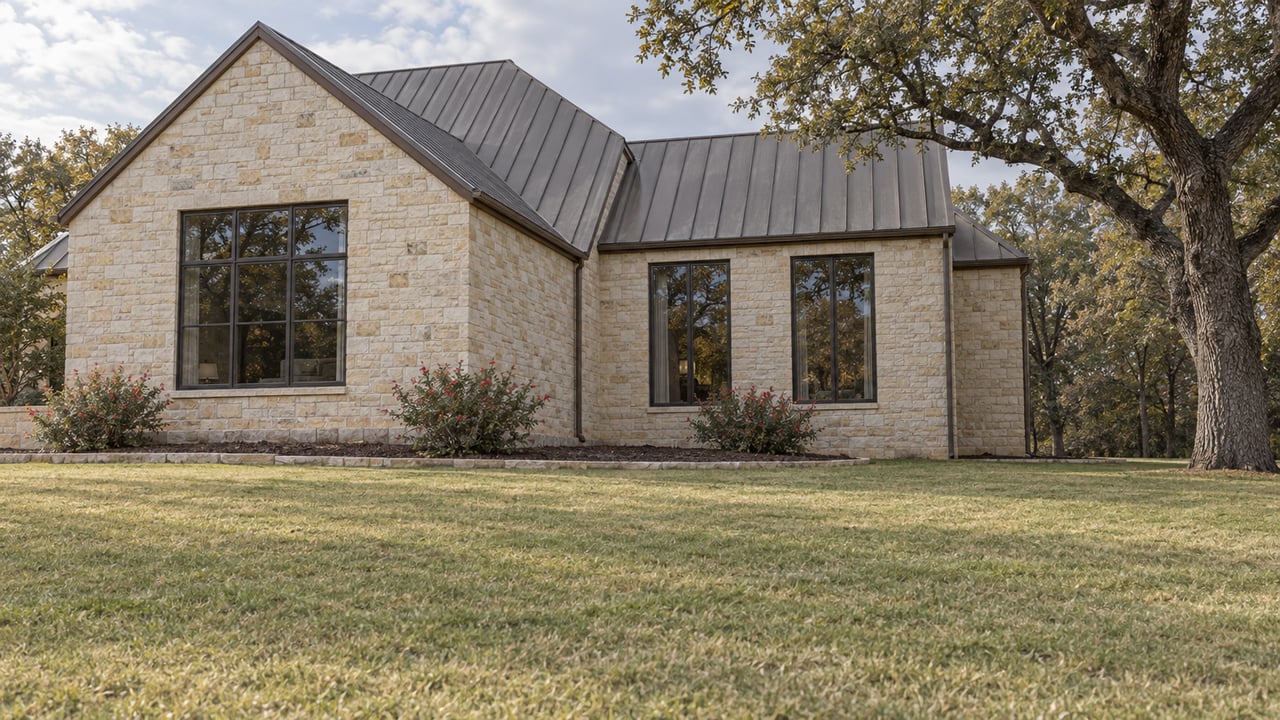
Castle Hills is a 2.5-square-mile city within metro San Antonio that has long been defined by large lots, mature trees, and a primarily residential character. The city’s planning documents emphasize preserving that single-family, large-lot identity while improving walkability and edge amenities.
That context matters for investors because it shapes both demand and limitations. In a place like Castle Hills, tenants are often looking for more than just shelter. They are usually paying for location, lot size, comfort, and the feel of an established neighborhood.
What the Local Data Suggests
Castle Hills has about 3,943 residents and 1,491 households, with a median age of 41.4. Median household income is $95,391, and 49.2% of residents hold a bachelor’s degree or higher.
It is also a relatively stable market. Only 9% of residents moved in the prior year, which points to lower turnover than you might expect in a more renter-heavy area. For you as a buyer, that can support long-term value, but it also means fewer easy opportunities and a smaller pool of available inventory.
Rental Demand in Castle Hills
Castle Hills appears better suited to quality long-term rentals than to a pure budget-rental strategy. Homeownership is high at 78.9%, and the city is small, which means rental supply is naturally limited.
Current market snapshots show just 10 active rentals in Castle Hills on Zillow. In a market this tight, details can have an outsized impact. Finish level, floor plan, lot usability, parking, and block-by-block location can all affect how quickly a property leases and what rent it can command.
Likely Tenant Profiles
Based on housing and commute data, Castle Hills may appeal most to:
- Relocating professionals who want central San Antonio access
- Smaller households who prefer a single-family home feel
- Downsizers who still want yard space and mature surroundings
- Renters who value convenience but expect a more established residential setting
The commute profile supports that idea. Average commute time is 18.9 minutes, 73.7% of workers drive alone, 13.8% work from home, and households average two cars. That points to a car-oriented market where convenience, parking, and practical layout matter.
Castle Hills Rent Snapshot
Live market data gives you a useful starting point for underwriting, even if you should still analyze each property individually.
Zillow reports an all-property average rent of $2,200 as of May 29, 2026, with a broad range from $899 to $6,500. For single-family homes specifically, Zillow shows an average rent of $2,500.
Current examples include:
- 2-bedroom, 1-bath home at $1,695
- 3-bedroom, 2-bath homes at $2,400 and $2,750
- 4-bedroom, 3-bath home at $3,725
Apartment-style listings in and around the Castle Hills search area show:
- Studios from about $899+
- 1-bedrooms from about $795 to $1,199+
- 2-bedrooms from about $1,100 to $1,400+
- 3-bedrooms from about $1,305+
Those apartment figures should be treated carefully because some nearby San Antonio properties may appear in the search results. They are best used as directional context, not as a strict Castle Hills average.
What Yield Looks Like at a Glance
If you are screening deals, gross yield can help you compare opportunities quickly. It is not the same as cap rate, but it can tell you whether a listing deserves a deeper look.
Using the ACS 2024 median property value of $419,400 and Zillow’s all-property average rent of $2,200, the rough gross yield works out to about 6.3% before taxes, insurance, maintenance, vacancy, and financing. Using the $2,500 single-family average, rough gross yield rises to about 7.2%.
Why Gross Yield Is Only a Starting Point
In Castle Hills, gross yield can look reasonable at first glance, but local expenses can change the picture quickly. This is especially true for single-family properties with larger lots, mature trees, and exterior features that create more upkeep.
That is why conservative underwriting matters here. A property that looks acceptable on a simple rent-to-price ratio can become far less attractive once you add taxes, maintenance, vacancy assumptions, and city-specific operating costs.
Key Expense Categories to Underwrite
The biggest mistake you can make in Castle Hills is focusing too heavily on top-line rent without digging into carry costs. This market rewards careful analysis.
Property Taxes
Property taxes are one of the most important local variables. Bexar County’s 2025 tax table lists these rates:
- Castle Hills city: $0.578846 per $100
- Bexar County: $0.276331 per $100
- North East ISD: $0.982200 per $100
- Additional countywide entities may also apply
If the listed jurisdictions all apply, the combined rate is about $2.30473 per $100 taxable value before exemptions. You should always verify the exact parcel’s tax stack rather than relying on a rough citywide estimate.
City Fees and Ongoing Upkeep
Castle Hills also has local fees and property rules that can affect your budget. The city fee schedule lists a $25 monthly residential garbage fee.
The city also lists a stormwater development fee of $0.40 per square foot of impervious cover. Depending on the property, that can matter if you are evaluating improvements, additions, or other changes to the site.
Maintenance and Exterior Costs
The local code environment also matters. Castle Hills notes rules related to parking, tree clearance, drainage easements, weeds, brush pickup, and front-yard storage of RVs, boats, and trailers.
For an investor, that means yard maintenance and exterior compliance are not small details. On a large lot with mature trees, upkeep can become a meaningful recurring cost rather than an occasional one-time issue.
Permits and Value-Add Risk
If your strategy involves renovating or repositioning a property, permit timing and compliance should be part of your underwriting from day one.
The city states that permits and site plans are required for projects such as:
- Fences
- Driveways
- Decks
- Pools and spas
- Accessory structures
- New construction
Plan review can take 10 to 15 working days. The fee schedule also says permit fees double if work begins before approval. For you, that means value-add timelines need to be realistic, especially if the plan includes exterior work.
Castle Hills has also adopted the 2015 International Property Maintenance Code and 2021 ICC codes. That raises the importance of inspecting deferred maintenance carefully before purchase.
Short-Term Rental Caution
If you are thinking about Airbnb-style income, treat that as a separate and more complex analysis. Castle Hills has 2026 ordinance materials related to short-term rentals, along with a moratorium history and only a limited set of permitted STRs posted by the city.
In practical terms, you should not assume a home can be converted to short-term rental use later. If STR income is central to your investment thesis, current eligibility should be verified before you move forward.
Where Castle Hills Fits Best
Castle Hills generally looks more compatible with a long-term hold or an owner-occupied house-hack than with a pure cash-flow play. The area appears to offer stable demand, limited rental competition, and durable resale appeal.
The tradeoff is that income may not stretch as far once you layer in local taxes, maintenance, permit constraints, and operating costs. This is a market where quality, location, and discipline matter more than chasing the highest possible rent projection.
Good Fit for These Buyers
Castle Hills may make the most sense if you are:
- Buying for long-term appreciation and steady rental demand
- Prioritizing neighborhood stability over fast-turn volume
- Comfortable with moderate gross yield rather than aggressive cash flow
- Looking for a property that could work as both a home and an investment
- Focused on single-family appeal and future resale strength
Less Ideal for These Strategies
It may be less ideal if you are:
- Seeking low-cost entry with maximum immediate cash flow
- Depending on short-term rental income to make the numbers work
- Planning heavy exterior improvements without time for permits and reviews
- Underestimating tax and maintenance costs on larger lots
A Smarter Way to Evaluate a Castle Hills Rental
If you are comparing homes in Castle Hills, it helps to look at each one through a simple filter:
- Estimate realistic rent, not best-case rent
- Verify the property tax stack for that exact parcel
- Budget for maintenance, especially trees, drainage, and yard care
- Review any planned improvements against city permit rules
- Separate long-term rental math from STR assumptions
- Consider resale appeal if you need to exit in a few years
That approach fits Castle Hills well because this is not a market where rough math is enough. A careful buy can still make sense here, but the margin for error is smaller than in a lower-cost, higher-yield corridor.
Castle Hills can be a compelling option if you want stable demand, strong neighborhood identity, and a property that holds appeal beyond just rental income. The key is to underwrite conservatively and make sure the property matches the way this market actually works. If you want help evaluating a Castle Hills home through both a real estate and financial lens, connect with Aden Stiles.
FAQs
Is Castle Hills good for rental property investing?
- Castle Hills may work well for long-term rental investing, especially for buyers focused on stable demand and resale appeal, but it appears less suited to a pure high-cash-flow strategy.
What is the average rent in Castle Hills, TX?
- Zillow reports an average all-property rent of $2,200 and an average single-family rent of $2,500 as of May 29, 2026.
What kind of tenants are most likely in Castle Hills?
- The local profile suggests demand may be strongest among relocating professionals, smaller households, and downsizers who want a central San Antonio location with a residential feel.
Are property taxes high in Castle Hills?
- Property taxes can be a significant expense. Bexar County’s 2025 published rates suggest a combined burden of about $2.30473 per $100 taxable value before exemptions, if all listed jurisdictions apply to the parcel.
Can you use a Castle Hills home as a short-term rental?
- You should verify current city eligibility first. Castle Hills has ordinance materials, a moratorium history, and only a limited set of permitted short-term rentals posted by the city.
What should buyers watch most when underwriting a Castle Hills investment?
- The biggest factors are realistic rent, exact tax burden, maintenance costs, local permit requirements, and whether the property’s value depends on short-term rental assumptions.