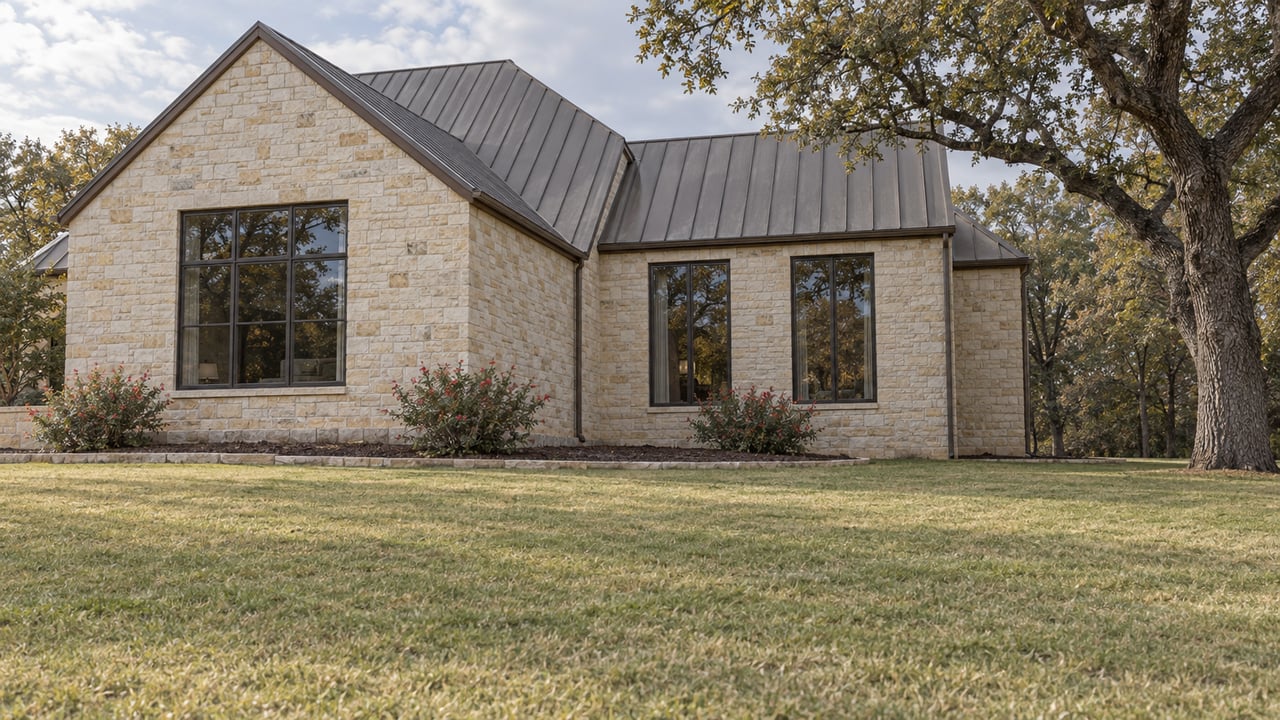
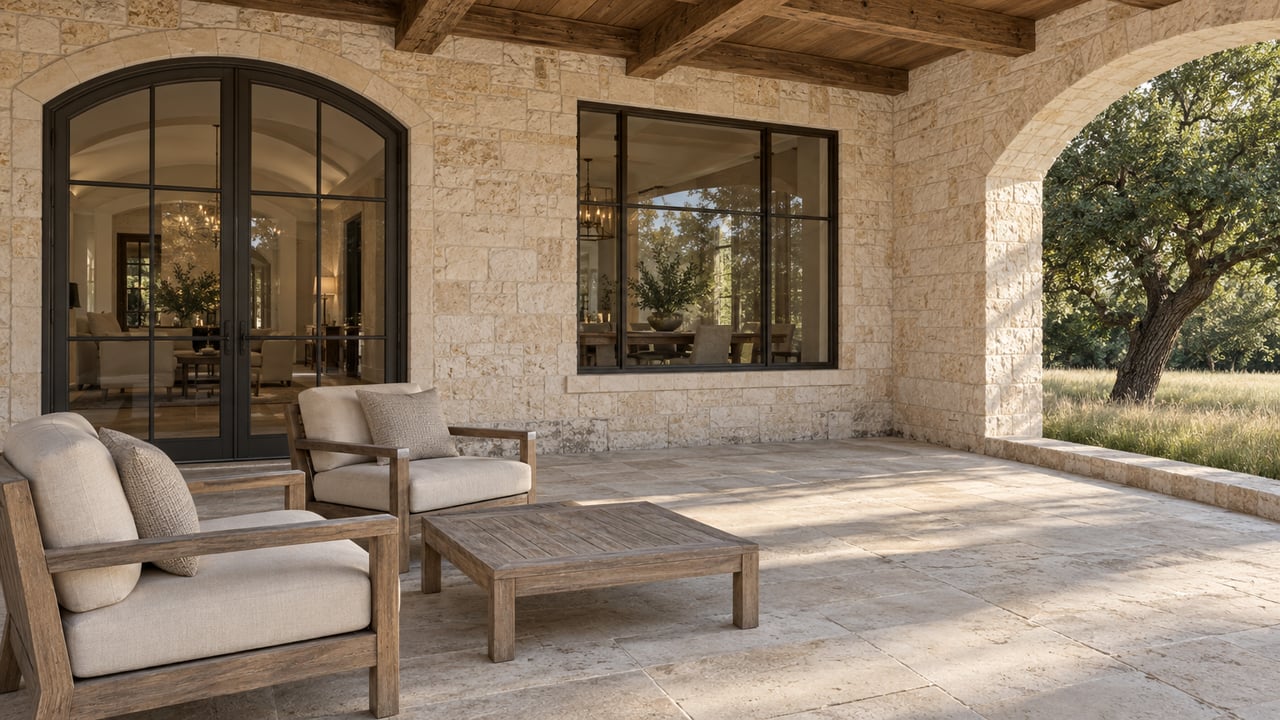
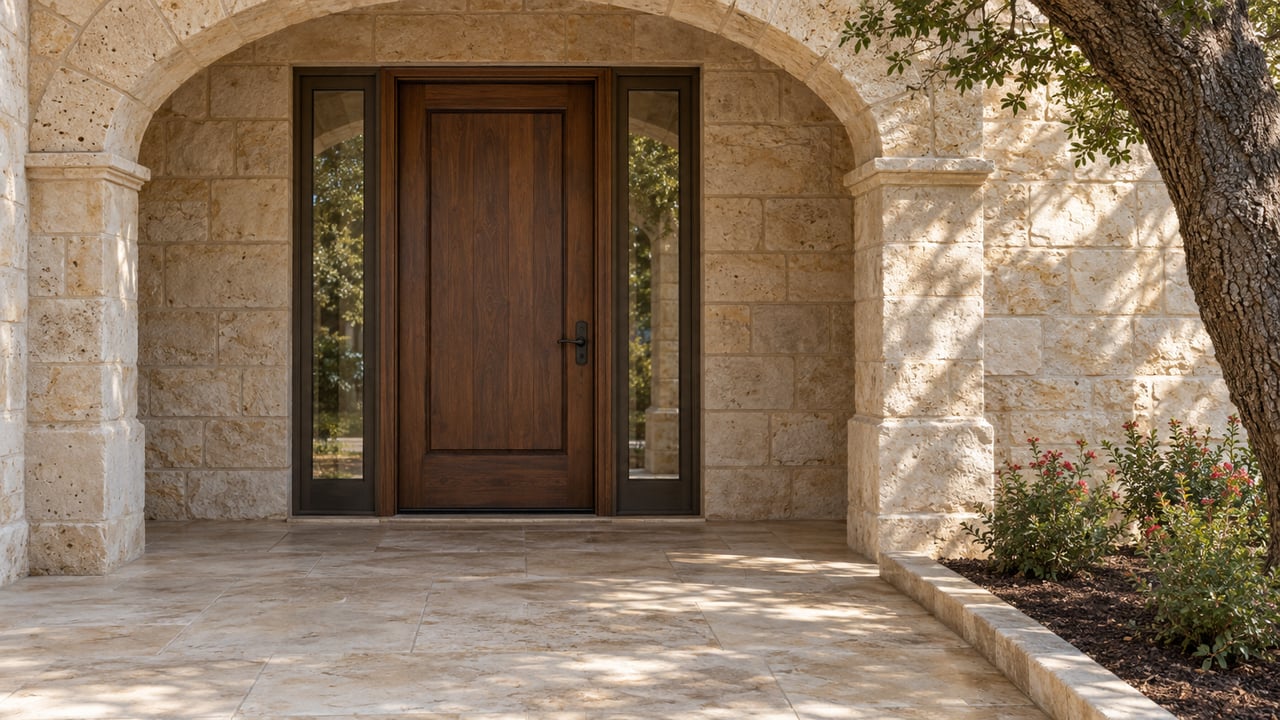
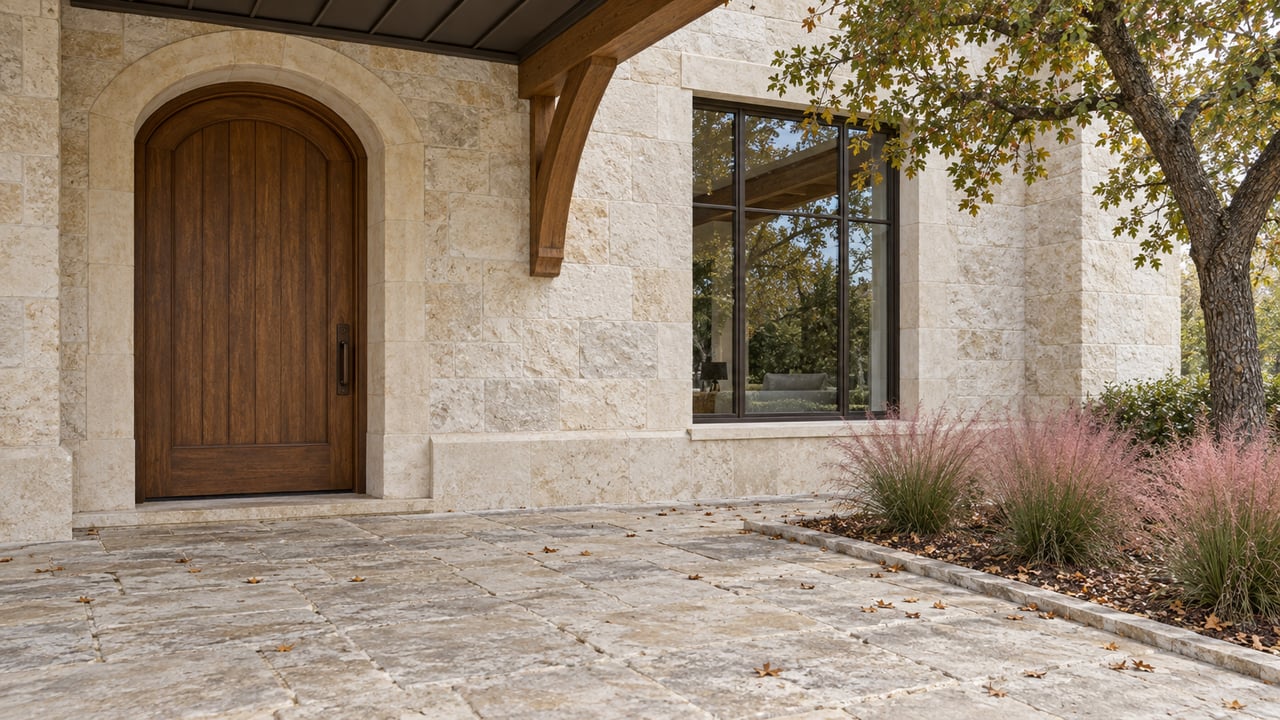
Two inspections closed out the same week this spring, both inside the Castle Hills city limits, both under the same kind of mature oak canopy that makes this pocket of San Antonio feel finished rather than built. The first house, a low ranch in the older mid-century section near the Commons, came back with a clean panel and dry crawlspace. The second, less than a mile away on one of the streets that carry the neighborhood's English-inspired names, needed a licensed electrician back on site before the transaction could move forward. Same zip code. Same tree cover. Same general reputation as one of San Antonio's more established addresses. Different problem entirely, and the difference had nothing to do with the street. It came down to the decade the house was actually built in.
That's the detail buyers and sellers here tend to miss. Castle Hills gets talked about as a single neighborhood with a single identity, an incorporated city since 1951, mature lots, mid-century character. All true. But "Castle Hills" on a listing covers construction that spans nearly three decades, and the systems an inspector flags track the build era far more reliably than they track the neighborhood name.
One name, two build eras
The oldest section of Castle Hills dates to the years immediately around incorporation, when Anglo families and returning GIs built masonry and ranch homes on the oak-studded land north of downtown. Castle Hills Estates, one of the community's original subdivisions, traces back to 1952. That's the housing stock most people picture when they hear the neighborhood's name.
But a meaningful share of Castle Hills was built two decades later, in a section known today as North Castle Hills. It was founded in the mid-1970s by two well-known local builders, John Schaefer and Art Burdick, some of whom built and lived in their own designs. The section has its own signature: custom homes on larger lots, buried utility lines instead of overhead wires, and a street layout with no direct through streets, a design choice residents still credit for keeping traffic light decades later. Its restrictive covenants were filed with Bexar County in 1976 and 1978, which is a useful anchor if you ever need to date a specific block.
That twenty-plus year gap between the 1950s core and the 1970s custom section matters because of what happened in the American home-building industry during that stretch, and it shows up on inspection reports in two very specific and very different ways.
| Build era | What was typically installed | What shows up at inspection today |
|---|---|---|
| Early 1950s–early 1960s core (Castle Hills Estates and similar) | Copper branch wiring, cast iron or galvanized supply lines | Aging galvanized supply, occasional prior repipe attempts |
| Late 1960s–mid-1970s (North Castle Hills and similar custom sections) | Aluminum branch wiring, early plastic supply lines | Aluminum wiring connections needing evaluation, polybutylene retrofits |
Why aluminum wiring keeps surfacing in the 1970s section
The reason traces back to a commodity price spike, not a construction shortcut. In the early 1960s, copper prices rose sharply enough that builders across the country looked for a cheaper alternative for branch circuit wiring, and aluminum filled that gap through the late 1960s and into the mid-1970s. Electricians who work Castle Hills today describe this as close to a rule of thumb: any home from that construction window is a candidate for aluminum branch wiring, and local firms report finding it routinely when they open up 1950s and 1960s ranch homes for remodels that turn out, on closer inspection, to date from the later end of that range.
Aluminum wiring by itself isn't automatically a defect. It's still used today for larger service conductors, and the material is stable when installed correctly. The trouble is in the connections. Aluminum expands and contracts at a different rate than copper as it heats under load, which can loosen a connection over years even when nothing was done wrong at installation. A home inspector who finds it will document it, check whether the connections were made with an anti-oxidant paste, and recommend a licensed electrician evaluate the full extent of it. That's a phone call and a walk-through, not automatically a full rewire.
The plumbing surprise on the other side of town
The other era-specific finding runs in the same direction but shows up in a different trade. Local plumbers who service this part of San Antonio describe Castle Hills and neighboring Shavano Park as a reliable source of 1970s ranch homes with polybutylene supply lines, and they describe the fix the same way every time: a full-house repipe rather than a patch. Polybutylene was a common plastic supply line material in that decade before builders and plumbers moved away from it, and by the time a house from that window reaches its second or third sale, the original lines have usually had at least one prior repair attempt that didn't hold.
Combine that with the region's own soil behavior. Bexar County sits on expansive clay over limestone and caliche, ground that moves with moisture and puts stress on rigid drain lines and supply pipe under the slab regardless of era. In a 1970s Castle Hills home, that soil movement is landing on plumbing that was already the weaker material to begin with.
What this means at the negotiating table
None of this is a reason to walk away from a house in either section of Castle Hills. It's a reason to know which conversation you're walking into before the inspection report lands.
- Ask the build year before the showing, not after the offer. A house permitted in 1953 and a house permitted in 1976 a few blocks apart carry different inspection risk profiles, even with the same square footage and the same asking price.
- Treat an aluminum wiring finding as a scoping question, not a walk-away. The right next step is a licensed electrician's evaluation of the connections, not an assumption that the whole house needs rewiring.
- Treat a polybutylene finding as a repipe conversation from the start. Local plumbers who work this housing stock treat full replacement as the standard fix, so budget and negotiate accordingly rather than expecting a spot repair to hold.
- Sellers in the 1970s sections have the stronger case for pre-listing evaluation. A licensed electrician's written report with photos, done before the home hits the market, turns an inspection surprise into a known quantity you can price around or already remedy.
- Buyers should ask for the evaluation in writing, not a verbal assurance. A written scope with a prioritized plan is what a lender or a future buyer's inspector will want to see anyway.
The permit wrinkle that catches remodels off guard
According to Proud Pops, if a wiring evaluation turns into a panel upgrade, or a polybutylene finding turns into a repipe, the work itself has to go through the City of Castle Hills' own building department. Castle Hills is an independent incorporated municipality, and permits for electrical, plumbing, and general building work here are pulled through the city's own office rather than San Antonio's, with utility coordination running through CPS Energy and SAWS regardless. Contractors who work this specific area treat that as routine, but out-of-area crews sometimes don't, and a permit pulled through the wrong jurisdiction is a problem that surfaces again at the next resale. Confirm before work starts whether your contractor is set up to file with the city directly.
FAQ
Does aluminum wiring mean I can't get homeowners insurance? Some carriers ask about it during underwriting, and a written electrician's evaluation showing the connections were checked and, where needed, corrected is usually what satisfies that question. It's worth having that document ready rather than waiting for it to come up mid-transaction.
Why is polybutylene replaced? It's not a material anyone specifies in new construction anymore. The practical driver for replacement is the failure pattern local plumbers describe in these 1970s houses, plus lender or insurer preference.
Does this only apply to North Castle Hills, or to all of Castle Hills? The pattern tracks construction date more than location. A 1976 custom home outside the North Castle Hills boundary can carry the same wiring profile, and a home inside that section that was substantially rebuilt later may not. The build year on the permit record is the detail to check, not the subdivision name alone.
Should I ask for a credit or ask the seller to fix it before closing? That depends on timeline and how far along remediation already is. A credit gives you control over the contractor and schedule. A pre-closing fix removes the uncertainty but ties you to the seller's timeline and choice of vendor. Either can work. What matters is getting the scope in writing before you decide which one serves you better.
Castle Hills rewards buyers and sellers who look past the neighborhood's reputation and into the specific decade of the specific house. That's the kind of detail that changes a negotiation, not just a talking point. If you're evaluating a property here, whether it's a 1950s original or a 1970s custom build, Aden Stiles can walk the inspection report with you line by line and help you decide what's a scoping conversation and what's a real cost to negotiate. Let's Connect.
This article is general information, not legal, tax or financial advice. Consult a qualified professional about your situation.