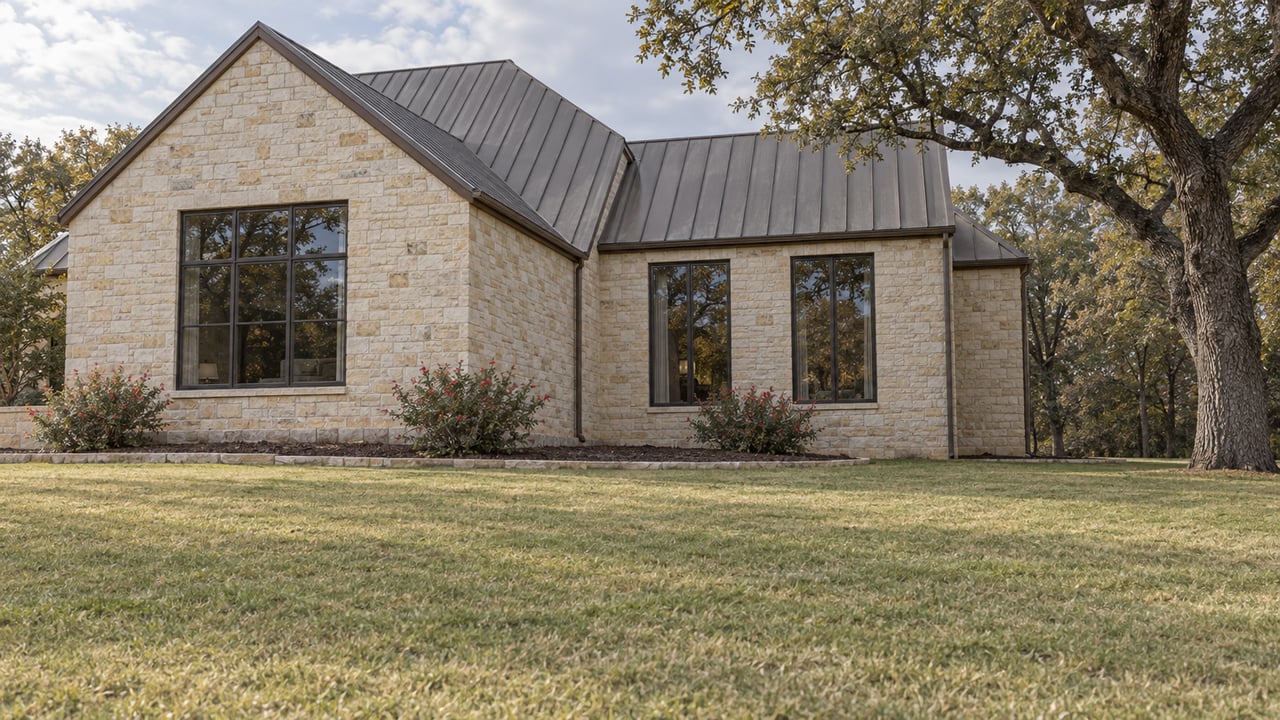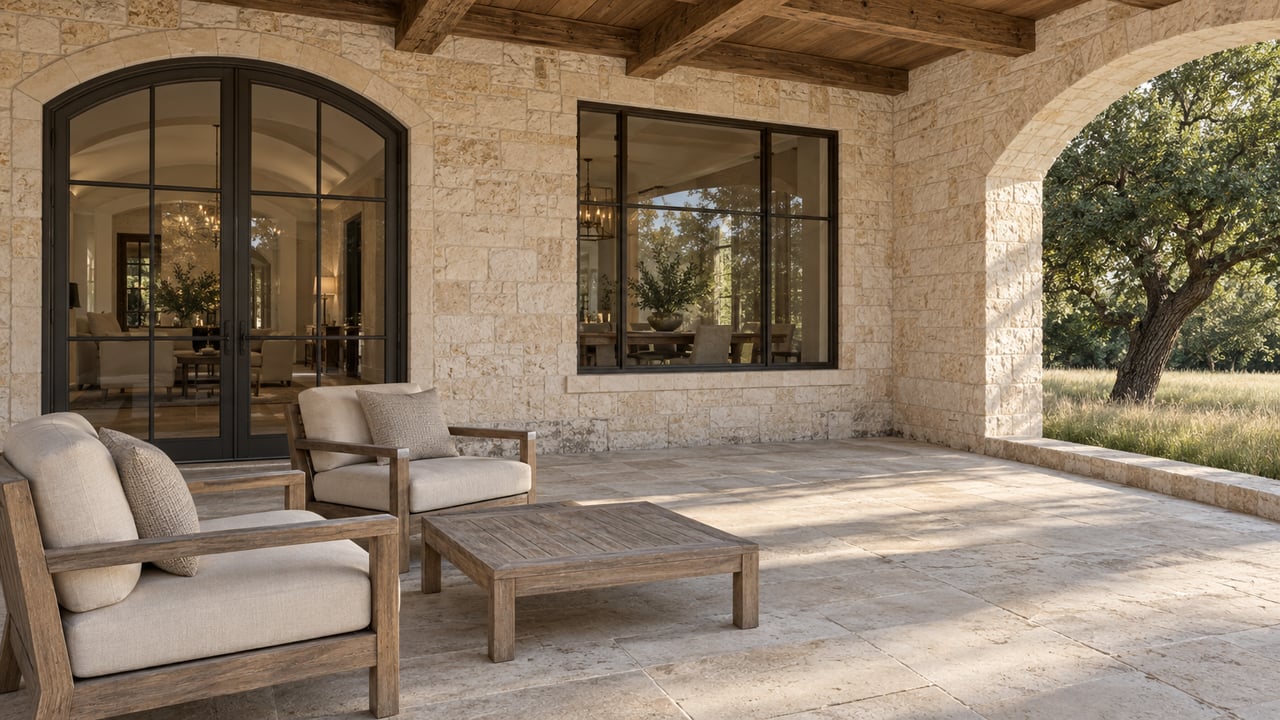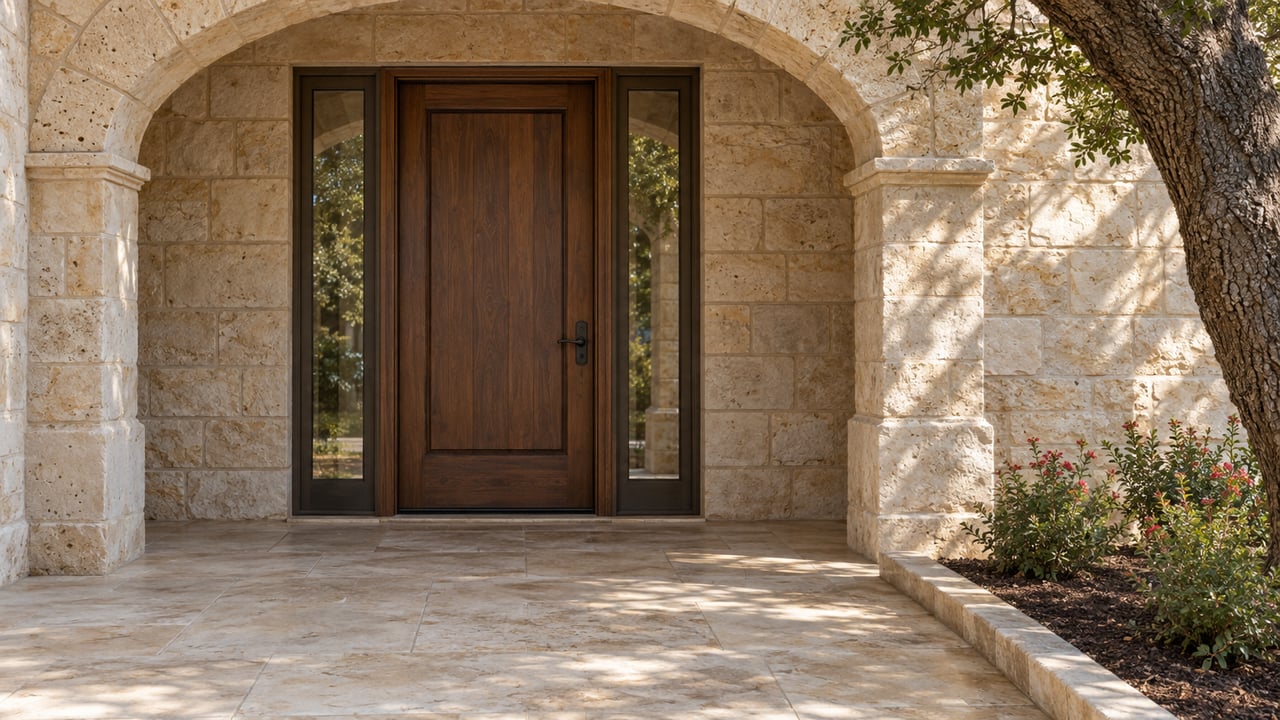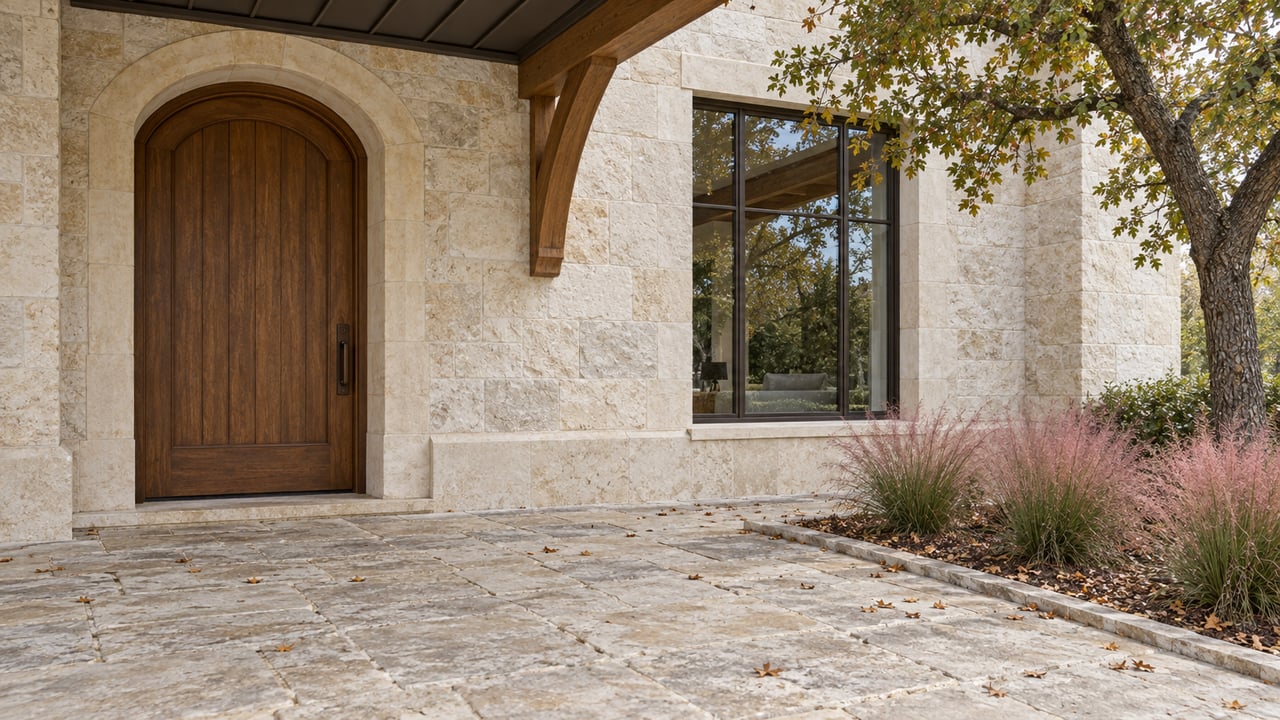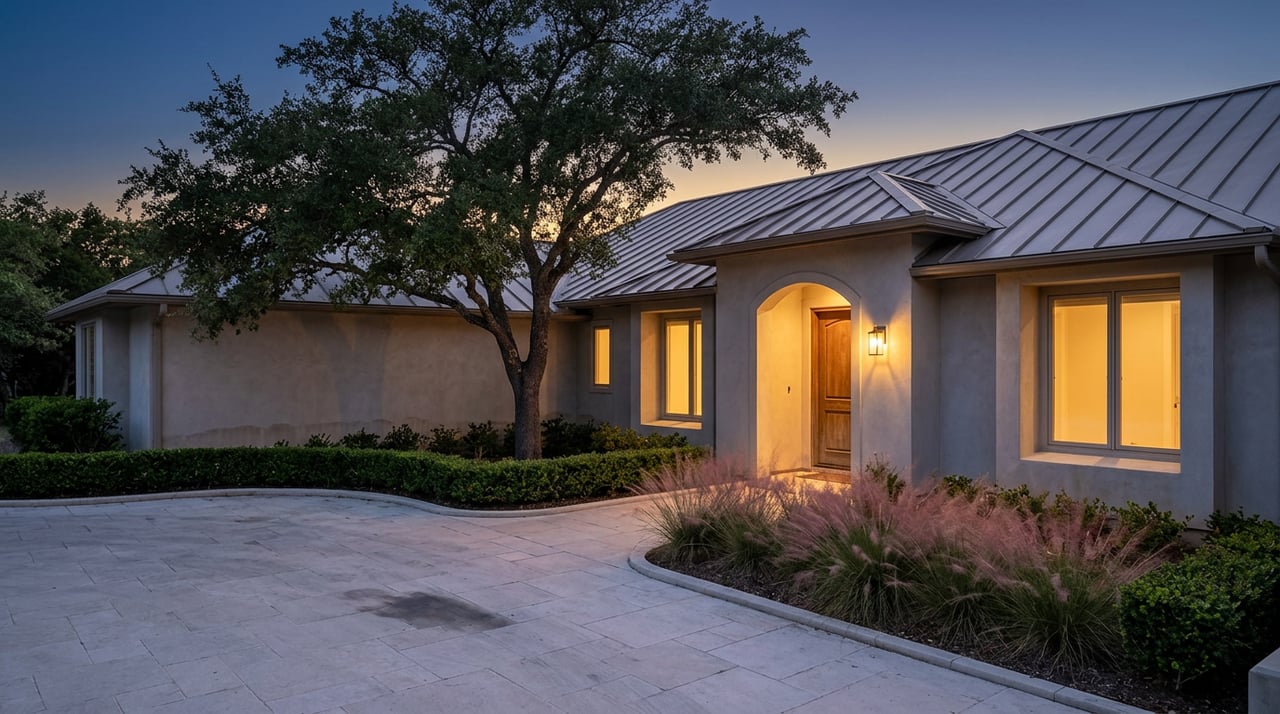
A buyer touring a low, deep-eaved ranch on Fox Hall Lane or one of the streets running off NW Military Highway sees exactly what draws people to Castle Hills: terrazzo floors, a wall of glass facing a courtyard, the kind of clean-lined 1950s and 1960s design that San Antonio didn't build much of anywhere else. What that buyer usually doesn't see, standing in the living room picturing a new wing on the house, is that Castle Hills is one of the few communities in the area with its own standing body whose job is to approve or reject proposed exterior changes before construction begins.
The city calls it the Architectural Review Committee, and it isn't a formality left over from a bylaws packet. It meets, it hears applications, and it votes.
What the committee actually reviews
Castle Hills is an incorporated city, not a subdivision with a homeowners association, which means its Architectural Review Committee operates under municipal ordinance rather than a set of CC&Rs. According to the city's own description of the process, homeowners planning an exterior change or addition file an Architectural Modification Application for a hearing, and anyone wanting to remove a protected tree files a separate Tree Removal Application, both governed by specific chapters of the city's code of ordinances.
That scope is broader than most buyers assume. It has covered a proposed exterior alteration to a commercial building's canopy on NW Military Highway. It has covered a suite renovation at a strip mall. It also covers a homeowner's plan to remodel or add on to a house.
A meeting from December 2024 shows what that looks like in practice. A neighbor from Fox Hall Lane spoke in support of a proposed remodel down the street. Committee members asked about tree removal, and the applicant said none would come out except for trimming low limbs that interfered with the new structure. Another member asked directly about exterior materials. The vote to approve passed four to one, with the committee's own chairman voting against it.
That last detail is worth noting. It was approved, though the decision was not unanimous.
What this means when the house is actually a landmark
Most Castle Hills renovations aren't architecturally significant enough to draw outside attention. But the neighborhood does hold homes that are, and they show what happens when review, restoration, and a genuinely difficult building come together.
One is a 1961 residence designed by architect William Duke as his own family home. According to San Antonio Magazine's account of its recent restoration, the original concrete veneer exterior panels, made from a cement-asbestos material called Cemestos, had been damaged or painted over by the time architect Craig McMahon took on the project. His team fabricated new panels on-site to replicate the original look, and the full restoration took three years.
Another is a 1957 house designed by architect Philip Lloyd Shoop for himself, later restored by Burleson Architecture with a new porch addition and a new office addition, built around preserving the home's original character rather than replacing it.
Neither of those timelines includes committee review. They're what it takes to actually rebuild a mid-century house correctly once you own it. Add the weeks a hearing and a vote can take before construction starts, and the real project calendar for a serious Castle Hills renovation looks nothing like the timeline implied by a portal listing that says "renovation potential."
For a sense of what that kind of restoration can cost even outside Castle Hills, architect John Grable's restoration of a Ford-designed home in nearby Alamo Heights ran about a year and roughly a million dollars, a project he has said has only gotten more expensive as labor and materials costs have risen. Castle Hills homes aren't all headed for that scale of work. A buyer comparing "original condition, needs updating" listings with move-in-ready ones should account for the renovation scope and review process when comparing potential costs and timelines.
What the median actually clocks
Here is where the number most buyers already have in their head starts to mislead them. As of Redfin's most recent snapshot for the market, in May 2026, Castle Hills homes had a median sale price of $488,208, up about 1.0 percent year over year, with typical homes going under contract in around 44 days after drawing several competing offers.
That 44-day figure measures one thing: how long a house sits on the market before someone signs a contract. It says nothing about what happens after that, which is the part that actually determines whether a buyer's renovation budget and timeline hold up.
| Milestone | What the number measures | Typical timeframe |
|---|---|---|
| Median days on market | Time from listing to accepted offer | about 44 days |
| A hearing on an exterior remodel | Time from application to a committee vote | several weeks, by the city's own account of the process |
| A full mid-century restoration | Time from acquisition to move-in ready | about three years, in one documented Castle Hills case |
A fast sale and a fast renovation are two different clocks running on two different tracks. Castle Hills' quick time-to-contract is a real signal of demand for the neighborhood's lot sizes, mature oaks, and central location. It is not a signal that the house will be livable, or alterable, on the buyer's own schedule.
Before you write the offer
For a buyer who has already decided Castle Hills is the neighborhood and is now comparing a specific fixer against a move-in-ready alternative, a few questions change the math more than the list price does:
- Ask the seller or listing agent whether any exterior work, additions, or tree removal on the property has ever gone through the Architectural Review Committee, and whether any applications are pending or were denied.
- Get a firm read from your contractor on which parts of your plan count as exterior modification under the city's ordinance, since that determines whether you need a hearing at all before the porch, addition, or fence goes in.
- Build the committee's review timeline into your renovation schedule the same way you'd build in a permit timeline anywhere else, rather than assuming it happens in parallel with design work.
- If a tree stands where you want to build, confirm its protected status before you finalize plans, since removal runs through its own separate application and, in some cases, a recommendation forwarded to City Council.
None of this makes Castle Hills a harder place to buy. It makes it a place where the real cost of ownership includes a step that doesn't show up on a comparative market analysis, and a buyer who accounts for it going in negotiates from a stronger position than one who discovers it after the option period has run out.
FAQ
Does the Architectural Review Committee review interior work? The application process, as described by the city, centers on exterior changes and additions, the parts of a house visible from the street or affecting the neighborhood's character. A kitchen remodel that stays entirely inside four walls is a different conversation than a new addition or a change to the home's exterior.
What if I just want to remove one dead or overgrown tree? Tree removal in Castle Hills runs through its own application, separate from the modification hearing for construction work, under a different chapter of the city's code of ordinances. Some tree decisions are reviewed by the committee and then forwarded as a recommendation to City Council for final action, which is worth knowing if a tree stands in the way of a project timeline.
Is this process unique to Castle Hills among nearby communities? Not every nearby city or neighborhood has a standing architectural review body with this level of ongoing activity. It's one of the features that comes with Castle Hills' status as its own incorporated city rather than an HOA-governed subdivision, alongside its own tax rate and its own permitting and code enforcement.
A Castle Hills mid-century home is one of the more distinctive buys in San Antonio, and for the right buyer, worth every week the process takes. Understanding that the calendar runs longer than the median implies is what turns a hopeful renovation plan into a realistic one.
If you're weighing a Castle Hills fixer against something move-in ready, or want a second set of eyes on what a specific property's renovation timeline actually looks like, Aden Stiles would love to help you run the numbers. Let's Connect.
This article is general information, not legal, tax or financial advice. Consult a qualified professional about your situation.