If you want a neighborhood with a central San Antonio location, mature trees, and homes that do not feel copy-and-paste, Castle Hills tends to stand out quickly. For many buyers, the appeal is not just where it sits on the map, but how it feels day to day: established, residential, and locally rooted. If you are wondering what it is actually like to live in Castle Hills, this guide will walk you through the housing, commute, amenities, and overall lifestyle so you can decide whether it fits your goals. Let’s dive in.
Castle Hills at a Glance
Castle Hills is a small incorporated city within San Antonio’s inner loop, covering about 2.5 square miles. According to Census Reporter’s ACS profile for Castle Hills, the population is 3,943 and the median age is 41.4, which points to a more established community rather than a fast-growing outer suburb.
The city also describes itself as home to more than 600 small to medium businesses, with a strong business corridor along NW Military Highway. As the City of Castle Hills explains in the mayor’s welcome, that mix helps create a compact city feel while still keeping a residential identity.
What the Neighborhood Feels Like
Mature trees and established streets
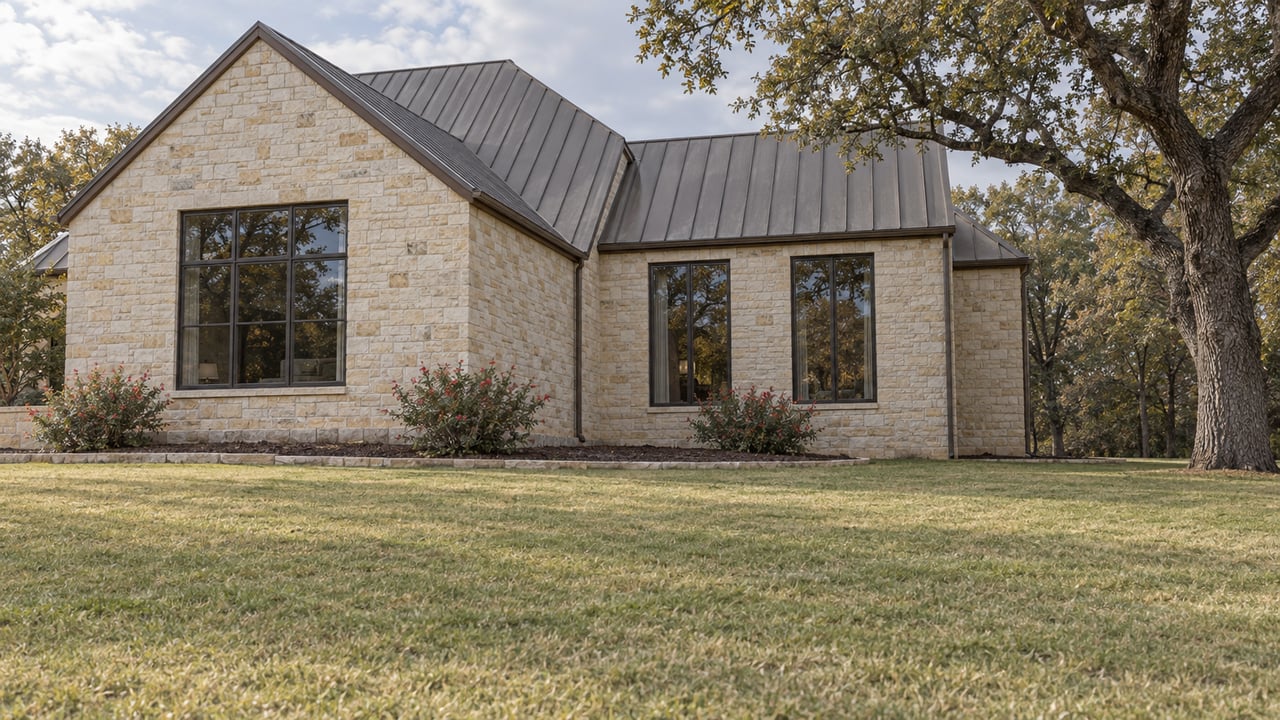
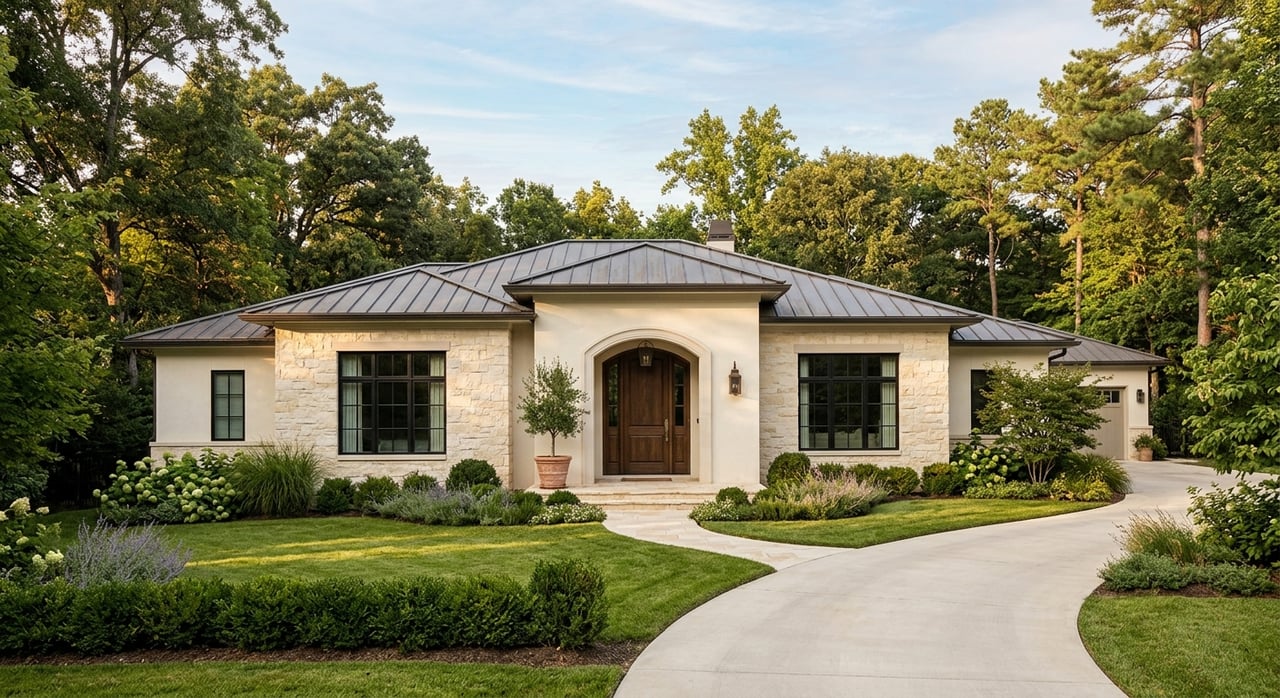
One of the first things many people notice in Castle Hills is the streetscape. The city says much of the area is private residential property with large lots and abundant trees, and historical documentation describes larger homes with native trees, including live oaks, in the original subdivision pattern.
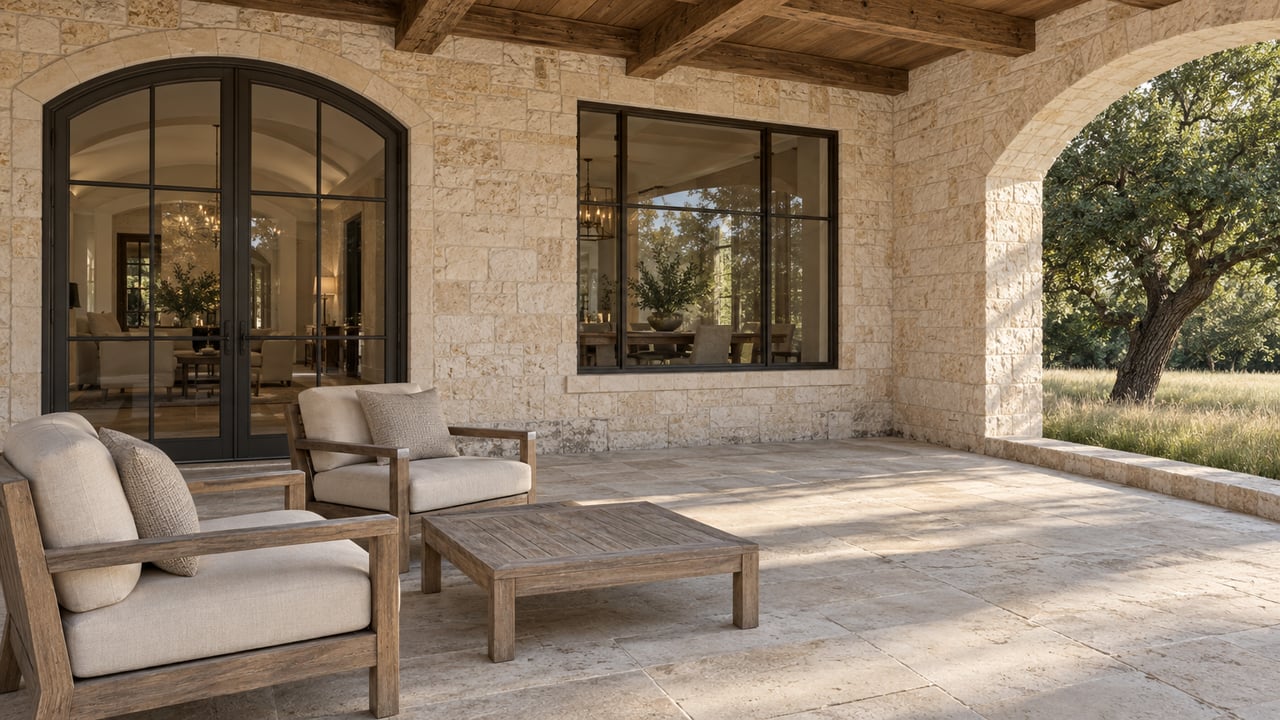
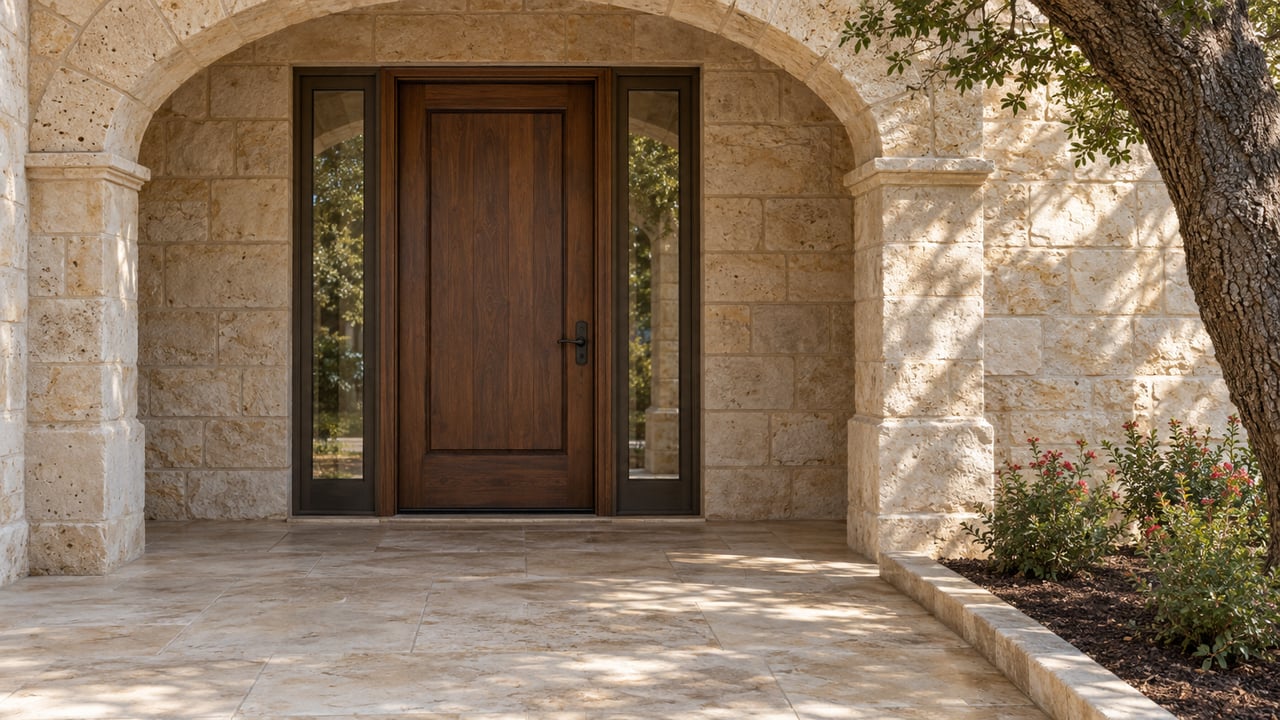
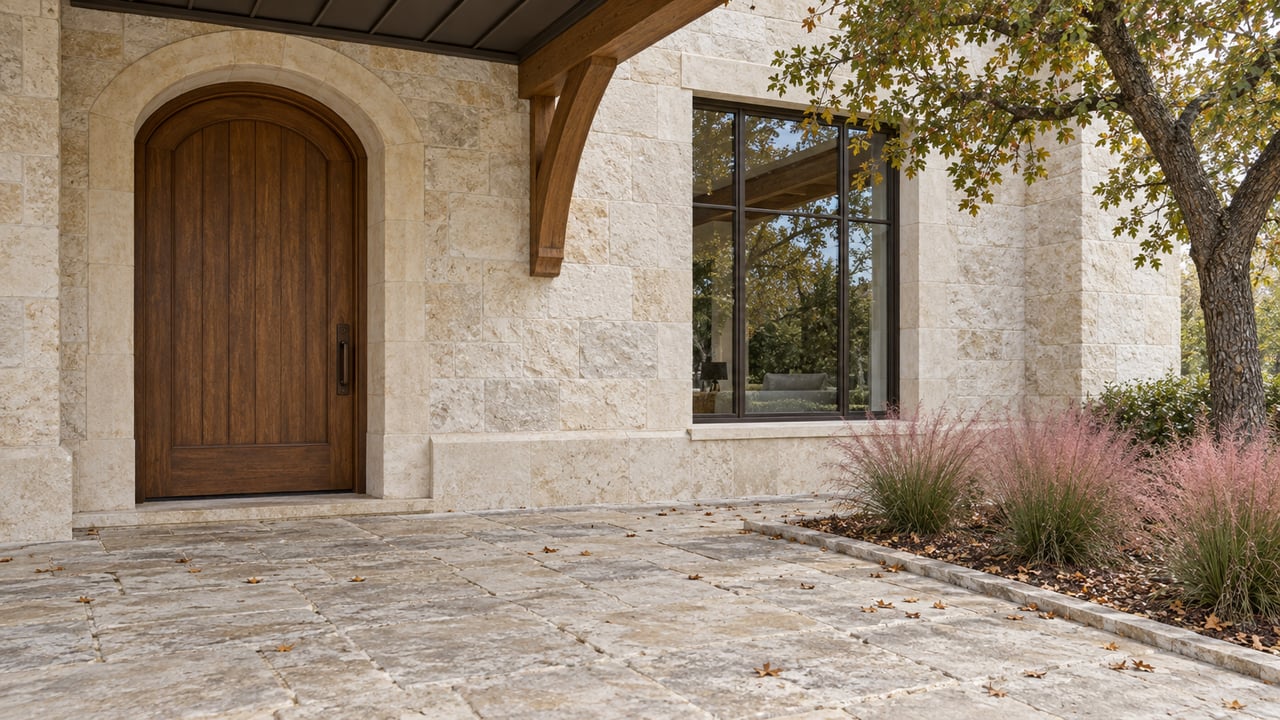
In practical terms, that means you are more likely to see mature landscaping, older homes with character, and less uniformity from one block to the next. If you prefer neighborhoods with a long-established look over brand-new master-planned communities, Castle Hills offers a very different experience.
A small-city identity inside San Antonio
Castle Hills is not just a neighborhood name. It is its own city with local government and local services. That gives daily life a more hands-on municipal feel than some surrounding areas.
The city notes that it has its own police, fire, and public works operations, including 24-hour police service, a full-time paid fire department, and local sanitation service. For residents, that can make the city feel more direct and community-oriented.
Housing in Castle Hills
Older homes with more variety
Castle Hills housing tends to appeal to buyers who want something established rather than brand new. The city describes a range that includes condos at The Ensemble and larger residential properties, including acre-plus lots in the West of West area.
That variety matters if you are trying to avoid a one-size-fits-all market. Instead of rows of similar homes, you will generally find a broader mix of lot sizes, home styles, and property layouts.
Large lots are part of the draw
Large lots are one of the clearest lifestyle features in Castle Hills. The city specifically highlights larger residential lots, and the area’s historic character supports that image of broader homesites and mature outdoor space.
For you as a buyer, that may mean more yard space, more separation between homes in some pockets, and a setting that feels less dense than many centrally located neighborhoods. That said, lot sizes and housing types can still vary depending on the section of Castle Hills.
Stable ownership and limited turnover
The data also suggests a fairly stable housing base. Census Reporter shows 1,744 housing units, a 78.9% homeownership rate, a median owner-occupied value of $419,400, and a 9% move rate over the prior year.
Those numbers point to an owner-heavy community where homes may not turn over as often as they do in more transient areas. If you are hoping to buy in Castle Hills, that can mean you need to watch the market carefully when the right property becomes available.
Daily Life and Convenience
Central location helps with commute times
Castle Hills benefits from a very central location. Loop 410 is one of the city’s defining boundaries, and that positioning helps explain why the average travel time to work is 18.9 minutes, according to Census Reporter.
For many residents, that means you can stay relatively connected to major employment areas, shopping corridors, and other parts of San Antonio without moving far from an established residential setting. It is one of the biggest practical advantages of living here.
Most errands are a short drive away
Castle Hills is convenient, but it is not best described as a walk-everywhere environment. The local pattern is more about short drives than pedestrian village living.
The city points to nearby retail specialty stores, restaurants, salons, spas, and other services, especially along NW Military Highway. Historical documentation also notes commercial uses along Blanco Road, Lockhill Selma Road, and Loop 410, which means many daily errands are close by even if they are usually reached by car.
Driving is part of the lifestyle
Most workers in Castle Hills drive to work, with smaller shares working from home or carpooling. That lines up with the overall feel of the area: central and efficient, but still largely car-oriented.
If you are comparing Castle Hills with more urban parts of San Antonio, this is an important tradeoff to understand. You gain convenience and access, but daily movement is typically built around driving.
Parks, Events, and Community Life
Recreation centers on the Commons
Castle Hills has a community-centered recreation setup rather than a large park system. The city says the Commons of Castle Hills is the city’s public park and common area next to City Hall.
That means you should think of recreation here as centered on one main gathering place rather than a broad network of major parks. The city has explored phased improvements there, including ideas such as a playscape, splash pad, and shade structure.
Local events help create connection
One of Castle Hills’ strongest lifestyle features is its civic identity. The city lists recurring community events such as Concert in the Commons, Movie Night, Christmas Tree Lighting, Easter Egg Hunt, Snow Day, and a Back to School Picnic with the Mayor.
For residents, these events can add a small-town rhythm to life even though you are in a central San Antonio location. It is one of the reasons Castle Hills often feels more connected than its size might suggest.
Volunteer culture is unusually active
Castle Hills also appears to have an active civic and volunteer culture. The Castle Hills Community Organization sponsors events such as Movie Nights, Concerts in the Commons, Fiesta Castle Hills, and seasonal celebrations.
The city also notes long-running organizations like the Garden Club and Woman’s Club, both dating to 1952. That history reinforces the idea that Castle Hills is not just a place where people live, but a place where many residents stay involved.
Schools and Services
Schools are part of the local mix
For households considering education options, the city notes that Castle Hills includes both public and private schools. It also identifies Castle Hills Elementary as a North East ISD campus on Lemonwood Drive.
As with any move, it helps to verify attendance, enrollment, and program details directly with the appropriate district or school. What matters from a lifestyle standpoint is that school options are part of the local fabric.
City services are highly visible
Castle Hills stands out for how local services show up in daily life. The city highlights twice-weekly trash pickup, weekly brush and recycling collection, local police support, and a full-time fire department with EMS response support from Acadian Ambulance.
That level of local service contributes to the area’s small-municipality feel. If you value a city where services feel close to home, Castle Hills may check that box.
Who Castle Hills May Fit Best
Castle Hills may be a strong fit if you want an established neighborhood with mature trees, larger lots in many areas, and a central San Antonio location. It can also appeal if you value residential stability and a community with visible local events and civic involvement.
It may be less ideal if your top priority is a large park system or a highly walkable daily routine. The tradeoff here is clear: you get character, convenience, and a strong residential identity, but most errands and movement still happen by car.
Final Thoughts on Living in Castle Hills
Castle Hills offers a distinct lifestyle within San Antonio. It feels established, wooded, and locally grounded, with older homes, a stable owner-occupied base, short commute potential, and a stronger civic identity than many people expect from such a compact city.
If you are weighing whether Castle Hills fits your budget, lifestyle, and long-term goals, it helps to look beyond the map and think about the day-to-day experience. If you want help evaluating homes, pricing, and the tradeoffs between Castle Hills and nearby central neighborhoods, Aden Stiles can help you make a smart, well-informed move.
FAQs
What is the overall lifestyle like in Castle Hills, TX?
- Castle Hills offers an established, residential feel with mature trees, older homes, local city services, nearby shopping and dining, and a community calendar centered around the Commons.
What are homes like in Castle Hills, San Antonio?
- Homes in Castle Hills generally include older properties with more architectural variety, larger lots in many sections, and a less uniform look than newer subdivisions.
Is Castle Hills, TX convenient for commuting?
- Yes. Castle Hills has a central location inside San Antonio’s inner loop, and Census Reporter shows an average commute time of 18.9 minutes.
Is Castle Hills a walkable neighborhood for daily errands?
- Castle Hills is better described as car-oriented than highly walkable, although many shopping, dining, and service destinations are nearby.
Does Castle Hills have parks and community events?
- Yes. Recreation is centered on the Commons of Castle Hills, and the city hosts recurring events like Movie Night, Concert in the Commons, and seasonal celebrations.
Is Castle Hills a stable housing market?
- The available data suggests a relatively stable, owner-heavy market, with a 78.9% homeownership rate and a 9% move rate over the prior year.